solder masks are used in PCB fabrication and assembly
Solder masks play a crucial role in the process of PCB fabrication and assembly, ensuring that the delicate components on a printed circuit board (PCB) remain protected during soldering. A solder mask, often referred to as a solder resist, is a thin layer of material applied over the copper traces of a PCB, leaving the pads exposed for component soldering. This protective layer prevents unwanted solder bridges, reduces the chances of short circuits, and safeguards the integrity of the PCB throughout the manufacturing process.
There are several types of solder masks used in pcb fabrication and assembly, each with unique properties and benefits depending on the specific needs of the project. The most common types include liquid photoimageable (LPI) solder mask, dry film solder mask, and thermal cure solder mask.
Liquid Photoimageable (LPI) solder mask is one of the most widely used in PCB fabrication and assembly. It is a photo-sensitive liquid that is applied to the PCB surface and then cured under UV light. LPI solder masks offer excellent precision and can be used for high-density designs with smaller components. They are also known for their flexibility, allowing them to be applied over various types of substrates. LPI solder masks provide good resistance to chemicals, high temperatures, and mechanical wear, making them ideal for applications in demanding environments such as automotive or medical devices.
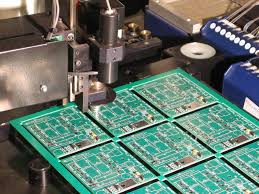
What types of solder masks are used in PCB fabrication and assembly?
Another popular option is the dry film solder mask, which consists of a solid film that is laminated onto the PCB surface. Dry film masks are typically used for precise, high-resolution patterns, as they offer excellent adhesion and are capable of withstanding higher temperatures than some other solder masks. This type of mask is particularly useful in the production of fine-pitch components, where the accuracy of the soldering process is paramount. Dry film solder masks are often chosen for high-performance applications and can be found in products like smartphones and other advanced electronics.
Thermal cure solder mask, sometimes referred to as epoxy-based solder mask, is another type frequently used in PCB fabrication and assembly. This solder mask is typically applied as a liquid that undergoes a thermal curing process, where heat is used to harden the material. Thermal cure solder masks offer superior chemical resistance and are known for their robust performance in high-temperature applications. While they are not as commonly used as LPI or dry film solder masks, they are still preferred in certain industries, such as automotive or aerospace, where durability and resistance to harsh conditions are critical.
Additionally, some PCBs require specialized solder masks, such as flexible solder masks for flexible PCBs or high-temperature solder masks for extreme conditions. These types are designed to meet the unique requirements of their respective applications, ensuring that the final product can withstand the intended operating environment.
In conclusion, solder masks are an essential component in PCB fabrication and assembly, protecting the delicate copper traces and ensuring the reliability of the final product. The choice of solder mask depends on factors such as the complexity of the PCB design, the operating environment, and the specific performance needs of the product. Whether it’s LPI, dry film, or thermal cure solder masks, selecting the right type is critical for achieving the desired quality and functionality in the final PCB.