benefits of PCB fabrication assembly
PCB (Printed Circuit Board) fabrication assembly is a critical process in the electronics manufacturing industry. It involves both the design and assembly of a PCB, where electrical components are attached to the board to form a complete circuit. The assembly process is an integral part of product development, as it ensures that the final product meets required specifications and functions correctly. The benefits of PCB fabrication assembly are numerous, making it an essential component for companies involved in electronics and hardware production.
One of the most significant advantages of PCB fabrication assembly is the increased efficiency it offers. By combining the fabrication and assembly stages into one seamless process, companies can reduce production time significantly. This streamlined process minimizes delays, enabling faster turnaround times for prototypes and mass production runs. Manufacturers can move from design to finished product more efficiently, which can lead to faster product launches and a competitive edge in the market. Additionally, the reduction in lead time allows businesses to react more swiftly to market demands and trends.
Cost-effectiveness is another key benefit of pcb fabrication assembly. With both fabrication and assembly taking place in the same facility, companies can minimize the costs associated with logistics and multiple suppliers. The integration of these processes often leads to a reduction in material waste, as components are assembled directly onto the fabricated board. Moreover, assembling PCBs in a controlled environment reduces the need for additional testing and troubleshooting, as issues can be identified and addressed during the assembly phase itself. This approach results in lower production costs and, ultimately, more affordable products for consumers.
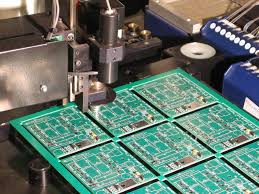
What are the benefits of PCB fabrication assembly?
The quality of the final product is also significantly improved through PCB fabrication assembly. During the fabrication process, strict quality control measures are typically implemented to ensure that the PCB meets the required standards for electrical connectivity and durability. When assembly is done in the same facility, there is a direct correlation between the fabrication quality and the assembly process. Any potential issues can be identified early, reducing the risk of defective products. Additionally, the use of automated assembly systems ensures a higher degree of precision and consistency, leading to a more reliable end product.
Another important benefit of PCB fabrication assembly is its flexibility. The integration of both processes allows manufacturers to customize the design and layout of PCBs according to specific requirements. Whether it’s a simple consumer electronics device or a more complex industrial application, the flexibility of the fabrication assembly process ensures that the PCB meets all necessary functionality and design specifications. This adaptability is essential for industries where innovation and tailored solutions are critical, such as medical devices, automotive electronics, and telecommunications.
Moreover, PCB fabrication assembly offers scalability for businesses. Whether you’re producing small batches for prototype testing or scaling up for mass production, this combined approach allows for easy transitions between production volumes. Manufacturers can adjust their processes to meet different production needs without having to retool or reorganize entire workflows. This scalability is vital for businesses that need to remain agile and responsive to market demands, making it easier to scale production as necessary.
In conclusion, PCB fabrication assembly brings numerous benefits to businesses involved in electronics manufacturing. By increasing efficiency, reducing costs, improving product quality, offering flexibility, and enabling scalability, it serves as a critical component in the production process. As the electronics industry continues to evolve, the importance of PCB fabrication assembly will only grow, helping companies meet the challenges of an ever-changing market while delivering high-quality products to consumers.